Objective data behind the pain.
Move beyond subjective reporting — autonomic and sudomotor testing helps identify nerve-level drivers of chronic pain and track response to intervention.
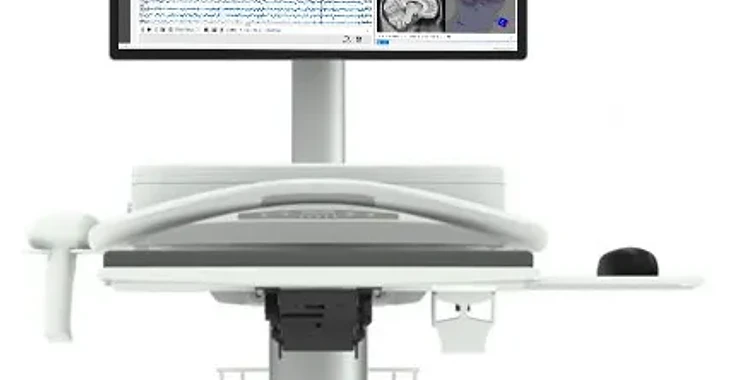
What VitalScan helps you identify.
Neuropathic Pain
ANS testing identifies autonomic nervous system dysfunction that may be driving neuropathic pain.
Small Fiber Neuropathy
SudoCheck detects small fiber nerve damage — a common cause of chronic pain that's difficult to diagnose.
Burn-out & Anxiety
HRV and autonomic balance metrics provide objective markers for stress-related conditions.
Treatment Response
Track autonomic function changes over time to objectively measure pain treatment efficacy.
Pain Medicine and autonomic testing.
Objective Evidence for Chronic Pain
Chronic pain management has long been challenged by its reliance on subjective patient-reported outcomes. Autonomic nervous system testing provides objective, quantifiable data on the nerve-level drivers of pain — including small fiber neuropathy, sympathetic dysfunction, and autonomic imbalance. Sudomotor function testing (CPT 95923) is particularly valuable in pain medicine because small fiber neuropathy is one of the most common yet underdiagnosed causes of chronic widespread pain. Conventional nerve conduction studies detect only large fiber involvement, leaving small fiber pathology unidentified. VitalScan ANS+ fills this diagnostic gap with electrochemical skin conductance testing that can detect small fiber damage in minutes.
Tracking Treatment Response with HRV
Heart rate variability (HRV) metrics, captured through cardiovagal testing under CPT 95921, provide an objective window into autonomic balance — the equilibrium between sympathetic (fight-or-flight) and parasympathetic (rest-and-digest) activity. Chronic pain, stress, anxiety, and burnout all shift this balance toward sympathetic dominance. By establishing a baseline and tracking HRV over time, pain medicine specialists can objectively measure whether interventions — whether pharmacologic, interventional, or behavioral — are restoring autonomic balance. Combined testing under CPT 95924 provides the most comprehensive autonomic profile for complex chronic pain patients, supporting both clinical decisions and insurance documentation for treatment plans.
Serving pain medicine practices across the United States
US MedResources equips pain medicine practices nationwide with FDA-cleared autonomic and vascular diagnostic technology. From New York to Los Angeles, Chicago to Miami, practices rely on VitalScan ANS+ for early detection of pain medicine conditions — with CPT-billable testing that fits into a single patient visit.
Request an ROI & QuoteBillable under standard CPT codes.
95923Sudomotor function testing — QSART, sympathetic skin response, or electrochemical skin conductance for small fiber neuropathy, a common and difficult-to-diagnose cause of chronic pain95921Cardiovagal innervation testing — heart rate variability metrics for objective stress, burnout, and autonomic balance assessment in pain patients95924Combined autonomic testing — cardiovagal, vasomotor, and sudomotor performed together for comprehensive neuropathic pain evaluationWhat it adds to your practice.
Estimated monthly revenue
3 tests/day × ~$180 avg = $10,800/month
Based on 3 tests per day, 20 working days per month. Actual reimbursement varies by payer and region.
Model your own patient mix.
Adjust the tests you'd run per day and your expected reimbursement for each test type. Your estimated revenue, payback period, and return on investment update instantly.
ANS Comprehensive
CPT 95924
Daily
$600
Sudomotor Function
CPT 95923
Daily
$180
Vascular (ABI / Arterial)
CPT 93922–93924
Daily
$150
Venous Doppler
CPT 93971
Daily
$200
Daily gross revenue
$1,130
5 tests / day
Annual gross reimbursement
$293,800
5 days × 52 weeks
Payback period
2 mo
ROI ratio
6.5X
This mix pays back your $45,000 investment in about 2 months.
Illustrative model based on $45,000 promotional equipment investment and the inputs you choose. Actual reimbursement depends on medical necessity, documentation, payer policy, contracted rates, and claim adjudication. Figures are not a guarantee of reimbursement.
Pain Medicine autonomic testing, answered.
Can autonomic testing diagnose small fiber neuropathy?
Yes. CPT 95923 (sudomotor function testing) assesses small sympathetic C-fibers that innervate sweat glands — the same fiber population affected in small fiber neuropathy. Unlike standard nerve conduction studies, which detect only large fiber damage, electrochemical skin conductance testing can identify small fiber pathology, which is a common and frequently missed cause of chronic pain.
How does heart rate variability relate to chronic pain?
Heart rate variability (HRV), measured under CPT 95921, reflects the balance between sympathetic and parasympathetic nervous system activity. Chronic pain, stress, and anxiety shift this balance toward sympathetic overdrive and parasympathetic withdrawal. Tracking HRV over time provides an objective biomarker for treatment response — if an intervention is working, autonomic balance typically improves alongside clinical improvement.
What CPT codes should pain medicine practices bill for autonomic testing?
Pain medicine practices typically bill CPT 95923 for sudomotor/small fiber testing, 95921 for cardiovagal/HRV assessment, or 95924 when all three autonomic domains (cardiovagal, vasomotor, and sudomotor) are tested together. Combined testing under 95924 provides the most comprehensive evaluation for complex chronic pain patients and commands the highest reimbursement.
Conditions we test for
Ready for your Pain Medicine ROI analysis?
Get a personalized growth plan with clinical workflow, CPT billing guidance, and financing options — including Section 179 and grant pathways.